Oat Flour: The Secret to Perfect Gluten-Free Scandinavian Almond Bars
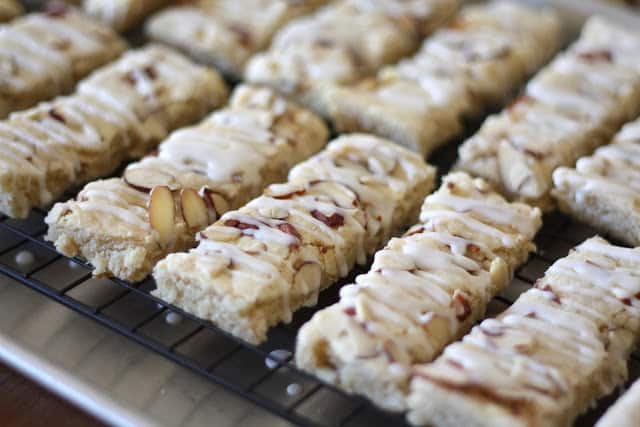
Few treats evoke the comfort and nostalgia of home baking quite like Scandinavian Almond Bars. These delightful shortbread-style bars, characterized by their flaky, tender crumb, rich almond flavor, and a delicate glaze topped with sliced almonds, have long been a cherished favorite. Their melt-in-your-mouth texture makes them incredibly popular, and the good news is that they keep perfectly in the freezer, allowing bakers to prepare large batches for whenever a craving strikes or guests arrive. However, for those navigating the world of gluten-free baking, recreating this beloved classic without sacrificing its signature texture has historically been a significant challenge. The quest for truly perfect scandinavian almond bars gluten free at home has often been a journey fraught with trial and error – until now.
The Quest for the Perfect Gluten-Free Scandinavian Almond Bar
For years, bakers have grappled with the elusive nature of gluten-free versions of these traditional treats. The classic Scandinavian Almond Bar relies heavily on the structure provided by all-purpose wheat flour to achieve its signature tender, yet stable, shortbread base. Removing gluten, the protein network that gives baked goods their elasticity and chew, can often result in bars that are either too crumbly, too dry, or possess an undesirable gritty texture. Many bakers have recounted tales of numerous failed attempts, sometimes dozens of batches, in a relentless pursuit of a gluten-free alternative that truly measures up to the original. This pursuit became a veritable baking "nemesis," highlighting the deep desire for an inclusive recipe that didn't compromise on taste or texture.
The core challenge lies in mimicking the unique properties of wheat flour. When baked, wheat flour creates a delicate balance, allowing the bars to hold their shape while remaining incredibly tender. Gluten-free flours, on their own or in various blends, often struggle to replicate this exact consistency, leading to frustration for bakers hoping to share this cherished recipe with friends and family with dietary restrictions. The quest for a truly successful gluten-free Scandinavian Almond Bar has been a testament to the dedication of home bakers everywhere.
Oat Flour: The Unexpected Game-Changer
In a delightful twist of fate, the solution to this long-standing gluten-free baking dilemma arrived not through meticulous planning, but through an unexpected pantry raid. After countless failed experiments, one baker found themselves in a common predicament: short on their intended gluten-free flour blend. In a moment of improvisation, they reached for the remaining oat flour in their pantry. What happened next was nothing short of a baking revelation.
The resulting scandinavian almond bars gluten free at last achieved the perfect texture. They were everything the traditional version promised: flaky, tender, and beautifully flavored. The oat flour imparted a slightly more nutty note and a tiny bit heartier texture than the original, qualities that, for many, elevated the bars beyond their predecessor. This accidental discovery highlighted the incredible versatility and untapped potential of oat flour in gluten-free baking. Its fine texture and mild, slightly sweet flavor proved to be the missing ingredient, providing the structure and moisture needed to create a truly outstanding gluten-free shortbread.
Oat flour, derived from finely ground oats, is naturally gluten-free (though it's crucial to ensure it's certified gluten-free to avoid cross-contamination for those with celiac disease). It offers a unique balance of tenderness and structure, making it an ideal candidate for shortbread-style recipes. Unlike some other gluten-free flours that can be heavy or dense, oat flour provides a lighter crumb while still holding together beautifully, which is exactly what these delicate almond bars require.
Why Oat Flour Elevates Your Gluten-Free Almond Bars
The success of oat flour in creating these delectable gluten-free almond bars isn't just about replacing wheat flour; it's about enhancing the overall experience. The mild, subtly sweet, and slightly nutty flavor of oat flour complements the almond extract beautifully, adding another layer of complexity to the taste profile. Beyond flavor, its impact on texture is truly transformative.
- Unmatched Tenderness: Oat flour contributes to an incredibly tender crumb, mimicking the melt-in-your-mouth quality of traditional shortbread without any grittiness often associated with some gluten-free flours.
- Improved Structure: Despite its tenderness, oat flour provides sufficient structure to prevent the bars from crumbling excessively. This means easy slicing and a satisfying bite.
- Enhanced Moisture: Oats are known for their ability to absorb and retain moisture, which helps keep the bars from drying out, ensuring they stay fresh and delicious for longer.
- Heartier Feel: As mentioned in the original discovery, oat flour lends a slightly heartier, more substantial feel to the bars, making them incredibly satisfying. For many, this unique characteristic makes the oat flour version even more appealing than the original, leading to the intriguing question: Why Gluten-Free Scandinavian Almond Bars Might Trump the Original?
- Nutritional Boost: As a whole grain, oat flour also adds a boost of fiber and other nutrients, making these treats a slightly more wholesome indulgence.
The consensus among those who have tried this revelation is clear: oat flour is the secret ingredient that turns a challenging gluten-free bake into an effortless success. It allows you to recreate those cherished memories of traditional Scandinavian Almond Bars, but in a way that is accessible and equally (if not more) delicious for everyone.
Tips for Baking Flawless Gluten-Free Scandinavian Almond Bars
Armed with the knowledge that oat flour is your ally, mastering scandinavian almond bars gluten free at home becomes a much more achievable and enjoyable endeavor. Here are some practical tips to ensure your bars turn out perfectly every time:
- Use Certified Gluten-Free Oat Flour: For individuals with celiac disease or severe gluten sensitivities, always ensure your oat flour is certified gluten-free. This guarantees there has been no cross-contamination with wheat during processing.
- Accurate Measurement is Key: While the reference suggests replacing "1 3/4 cups all-purpose flour" with oat flour, precision is vital in gluten-free baking. Whenever possible, weigh your oat flour (and other dry ingredients) using a kitchen scale for the most consistent results. Flour consistency can vary by volume, but weight is always constant.
- Don't Overmix the Dough: Just like traditional shortbread, overmixing the dough can lead to a tougher bar. Mix until just combined, creating a soft, pliable dough.
- Chill Your Dough: Chilling the dough for at least 30 minutes (or even an hour) before pressing it into the pan helps it firm up. This makes it easier to handle and prevents excessive spreading during baking, ensuring your bars maintain their shape and tender texture.
- Even Spreading: Press the dough evenly into your baking pan. A thin, even layer ensures consistent baking and a uniform bar thickness, which is crucial for the classic shortbread snap.
- Pre-slice Before Baking (Optional but Recommended): For clean cuts and to prevent cracking the baked bars, you can lightly score the dough before baking to indicate where you'll slice later. Alternatively, slice them while still warm out of the oven, but before they've fully cooled and firmed up.
- The Perfect Glaze: A simple powdered sugar and milk (or almond milk for dairy-free) glaze drizzled over the cooled bars is all that's needed. A touch of almond extract in the glaze can amplify the almond flavor.
- Embrace the Freezer: Remember, these bars freeze beautifully! Once cooled and glazed, cut them, then arrange them in a single layer on a parchment-lined baking sheet and freeze until solid. Transfer to an airtight container or freezer bag, separating layers with parchment paper. They can be stored for up to 3 months, ready to be enjoyed straight from the freezer or after a quick thaw.
With these insights, you can confidently embark on making your own batches of these incredible gluten-free treats, knowing that the years of trial and error faced by others have paved the way for your delicious success. Finally! Delicious Gluten-Free Scandinavian Almond Bars After Years of searching are within your grasp!
Conclusion
The journey to creating perfect gluten-free Scandinavian Almond Bars has been a testament to perseverance, culminating in a simple yet revolutionary discovery: oat flour. This humble ingredient has transformed a once challenging gluten-free adaptation into a delightful baking experience, yielding bars that are not only tender, flaky, and rich in almond flavor but also possess a comforting heartiness that might just surpass the original. By embracing oat flour, you can confidently bake these beloved treats for everyone to enjoy, proving that delicious, accessible gluten-free baking is not just a possibility, but a reality. So, grab your oat flour and prepare to delight your senses with these truly exceptional gluten-free Scandinavian Almond Bars.
